Delights for Ladies
Sir Hugh Platt
A Modernization of the 1948
Reprint of the 1609 Original.
(TH)Lord Æduin of Skye
Tir-y-Don
Presented at KASF 2026
Barony of Tir-y-Don
Kingdom of Atlantia
Dedicated to:
Sir Hugh Platt, Esq
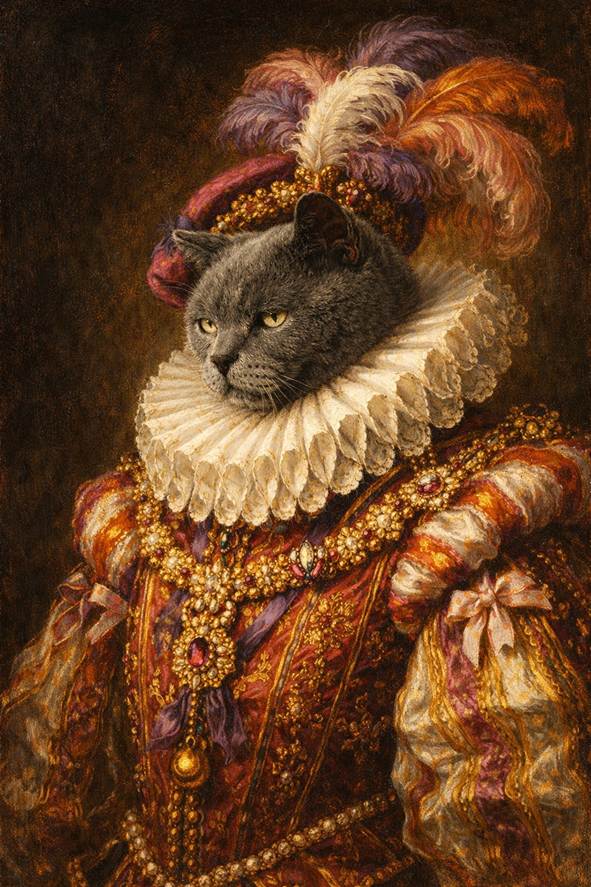
And his Human Servant
Baron Drake Morgan, OL, OP (Lochac)
To all true lovers of Art and Knowledge.
Sometimes I write the forms of burning balls,
Supplying wants that were by woodfalls wrought,
Sometimes of tubs defended so by art,
As fire in vain hath their destruction sought:
Sometimes I write of lasting Beverage,
Great Neptune and his pilgrims to content:
Sometimes of food, sweet, fresh and durable,
To maintain life, when all things else are spent:
Sometimes I write of sundry sorts of soil,
Which neither Ceres, nor her handmaids knew.
I write to all but scarcely one believes,
Save Dive {Dover?}and Devonshire who have found them true.
When heavens did mourn in cloudy mantles clad,
And threatened famine to the sons of men:
When sobbing earth denied her kindly fruit
To painful ploughmen and his labors: even then
I write relieving remedies of dearth,
That Art might help where Nature failed.
But all in vain, these newborn babes of Art,
In their untimely birth straight away do quail.
Of these and suchlike other newfound skills,
With painful pen I formerly wrote at large,
Expecting still my country’s good therein,
And not respecting labor, time or charge:
But now my pen and paper are perfumed,
I scorn to write with copperas (ferrous sulfate) or gall,
Barbarian canes are now become my quills,
Rosewater is the ink I write with:
Of sweets, the sweetest I will now commend,
To sweetest creatures that the earth does bear:
There are the Saints to whom I sacrifice
Preserves and Conserves both of plum and pear.
Joining/piercing now adieu: touch marchpane walls
Are strong enough and best befits our age:
Let piercing bullets turn to sugar balls,
The Spanish fear is hushed and all their rage.
Of marmalade and paste of Genoa,
Of musked sugar I intend to write,
Of jelly, of Sucket, and quince paste
Affording to each Lady her delight.
I teach both fruits and flowers to preserve,
And candy them, so Nutmegs, Cloves, and Mace;
To make both marchpane paste and sugared plate,
And cast the same in forms of sweetest grace,
Each bird and fowl, so molded from life,
And after cast in sweet compounds of Art,
As if the flesh and form which Nature gave,
Did still remain in every limb and part.
When crystal frost has nipped the tender grape,
And clean consumed the fruit of every vine,
Yet here behold the clusters fresh and fair,
Fed from the branch, or hanging on the line,
The walnut, small nut, and chestnut sweet,
Whose sugared kernels lose their pleasing taste,
Are here from year to year preserved meat,
And made by Art with strongest fruits to last:
The artichoke, and apple of such strength,
The quince, pomegranate, with the barberry,
No sugar used, yet color, taste, and smell,
Are here maintained and kept most naturally.
For Ladies’ closets and their distilleries,
Both waters, ointments and sweet-smelling balms,
In easy terms without affected speech,
I here present most ready at their calls.
And least with careless pen I should omit
Or parching sun with his hot fiery rays,
For these likewise relieving means I sought.
No idle thoughts, nor vain surmised skills.
By fancy framed within a theoretical brain,
My Muse presents unto your sacred ears:
To win your favors falsely I disdain,
From painful practice, from experience,
I sound, though costly mysteries derive
With fiery flames in scorching Vulcan’s forge.
To teach and fine each secret I do strive.
Accept them well and let my wearied Muse
Repose herself in Ladies’ laps a while
So when she wakes, she happily may record
Her sweetest dreams in some more pleasing style.
H.Plat.
Notes and Commentary
Hazardous Materials:
Platt mentions many things that are hazardous, either as ingredients or part of the preparation materials.
Lead stills and specifically alembics are mentioned in the distillation section. Interestingly in one recipe he mentions that there might be a problem with using them.
Sulfuric and nitric acids are both mentioned either as ingredients or treatments. Using sulfuric acid as hair bleach or nitric acid as a tooth descaler are probably both bad ideas.
Mercury is mentioned once or twice.
Questionable ingredients:
Putting sulfur, as an element, here by itself. Sulfur is used in many of the medicinal recipes. While sulfur does have many medicinal properties, and is still used today, caution is advised in making up any of the formulas.
I left the recipes/formulas with the hazardous and questionable ingredients in the work in the spirit of completeness. Please be careful if you make them up.
Weights and Measures:
He uses many archaic, for us, weights when specifying small quantities, drams, groats, grains, etc. Most of these I left as original because they didn’t to my knowledge change much over time. Measures based on coinage, groats, for example changed as coins changed. In those cases I used the coin weight closest to the time of the book’s writing. For example Elizabethan groat instead of Tudor groat.
Period Ingredients with modern names:
I’m just going to mention the most common one in the book, powdered sugar. It is not the same as modern powdered sugar since there is no corn starch. Take modern sugar, superfine if you can find it and powder it in a mortar and pestle or food processor. The corn starch could affect how the recipe works.
Spelling:
Ah the classic issue with period manuscripts, the vagaries of spelling. I’ve done my best to even out the spelling but sometimes my mind slips right over differences. Sometimes the spelling he used could modernize in a couple different ways, I’ve tried to choose the most appropriate choice.
Eggs
Eggs at this time were closer to medium than the large which is standard in most modern recipes. Large eggs are approximately 2oz each while medium are 1.75oz.
Gum Tragacanth
In recipes with gum tragacanth that involve shaping you need to let the paste dry so it isn’t very tacky so it holds its shape better.
 Æduin of Skye